

What Results Can Parents Expect from Chemistry Tuition? A Complete Guide to Your Child’s Academic Progress
Chemistry tuition can provide many positive outcomes, but the results often depend on the student’s attitude, consistency, and the quality of teaching. With regular attendance and active participation, parents can expect their child to develop a stronger understanding of Chemistry concepts, improve problem-solving skills, and gain greater confidence in the subject.
When parents enroll their child in Chemistry tuition, the main question is simple: “Will this really make a difference?”
Chemistry is not just another subject. In Singapore’s academic pathway — whether it’s lower secondary, O-Level, IP, or JC — Chemistry often determines subject combinations, overall grades, and eligibility for science-related courses. A weak foundation here can limit options later.
Here’s what parents can realistically expect from structured and consistent Chemistry tuition.
1. Stronger Conceptual Understanding (Not Just Memorization)

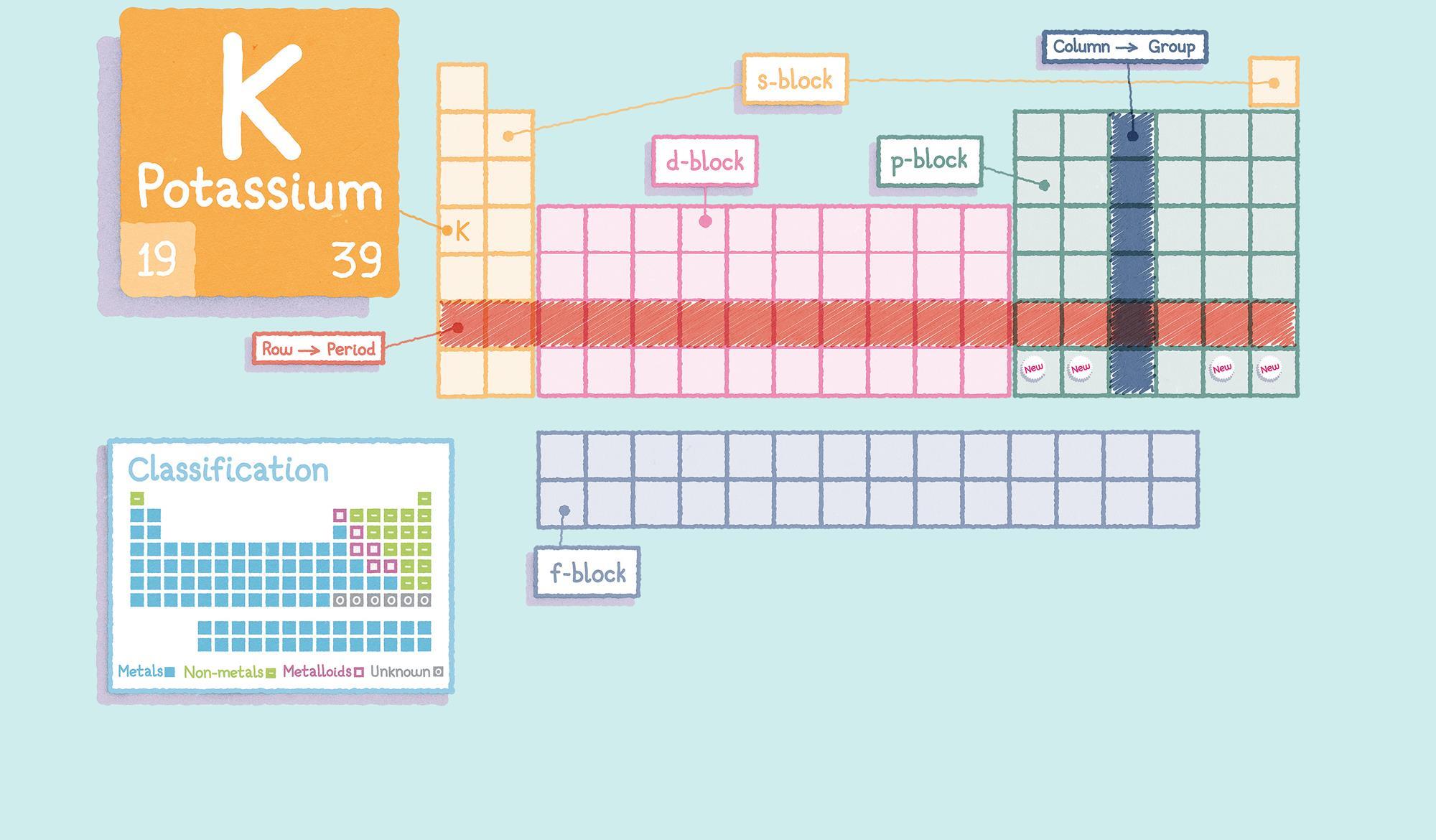
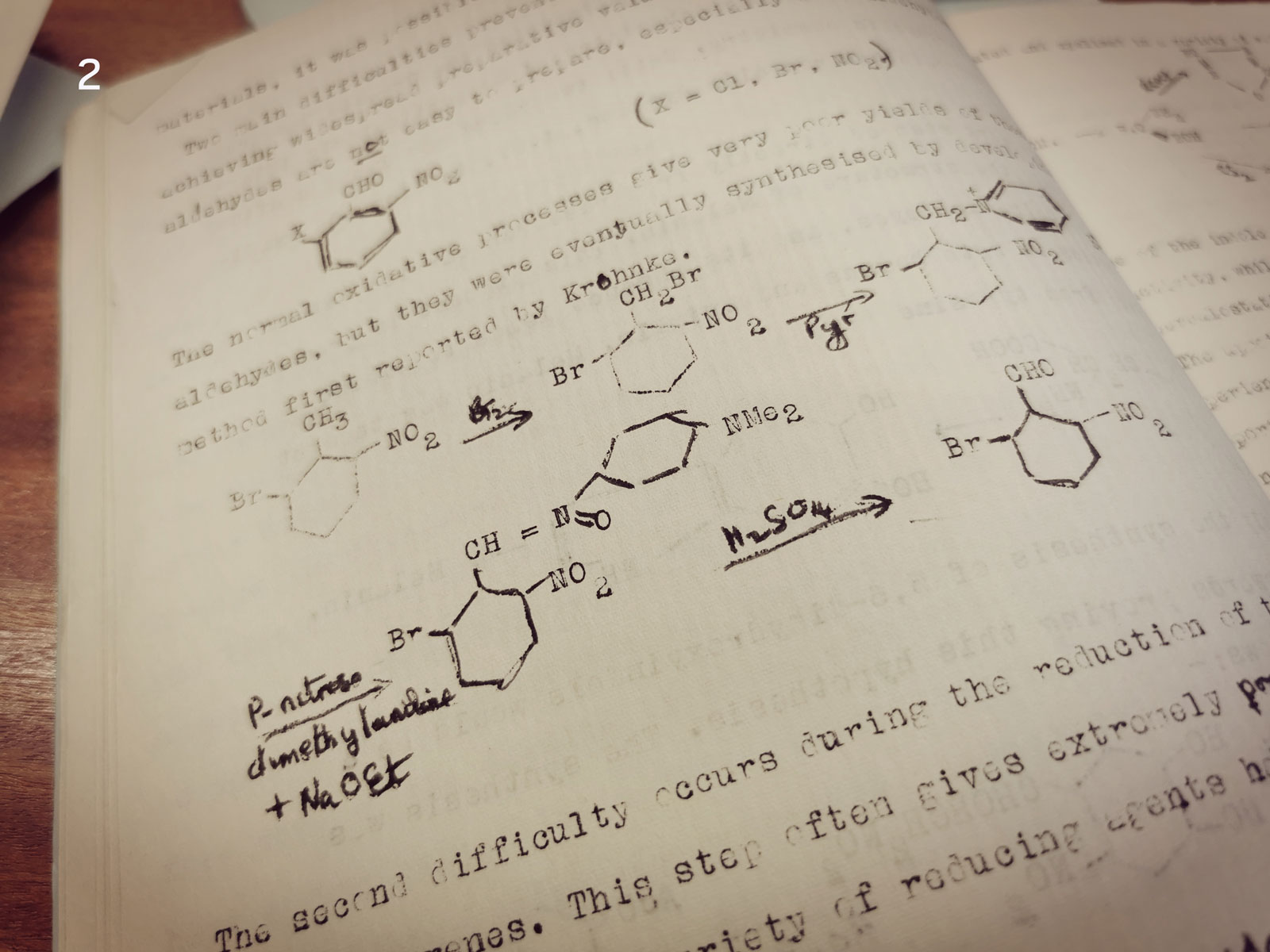
Chemistry is cumulative. Topics like atomic structure, bonding, acids and bases, redox reactions, and mole concept are interconnected.
A good tuition programmed focuses on:
-
Breaking down abstract concepts into step-by-step logic
-
Connecting new topics to previous lessons
-
Correcting misunderstandings early
Parents often notice:
-
Fewer “I don’t get it” moments
-
Clearer explanations when the child revises at home
-
More confidence answering structured questions
This is especially important for students preparing for major exams such as the Singapore-Cambridge GCE O-Level or the Singapore-Cambridge GCE A-Level, where application matters more than memorization.
2. Improvement in Test and Exam Scores
Score improvement depends on the student’s starting point and consistency, but structured tuition typically leads to:
-
Higher class test scores
-
Better performance in practical and structured sections
-
Stronger handling of data-based and calculation questions
For example:
-
A student scoring C6–D7 may move into B3–B4 range with steady practice.
-
A B3 student may strengthen to A2/A1 with exam-focused refinement.
However, results are not instant. Most parents begin seeing measurable improvement after 2–3 months of consistent attendance and homework completion.
3. Better Answering Techniques


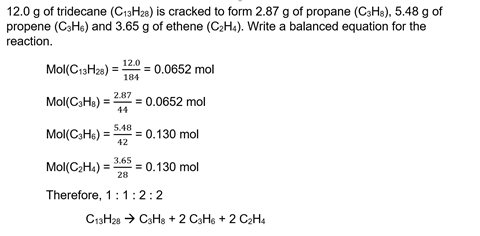
Many students lose marks not because they don’t understand the topic — but because they:
-
Miss keywords in definitions
-
Skip chemical equations
-
Misinterpret command words (explain, describe, state)
-
Make careless calculation errors
Tuition helps by:
-
Teaching answering frameworks
-
Training students to identify common exam traps
-
Providing timed practice
Parents often observe that their child’s answers become more structured and precise, even before grades fully improve.
4. Increased Confidence in School
Confidence changes behavior.
Students who used to avoid Chemistry:
-
Start participating in class
-
Attempt questions independently
-
Stop fearing surprise tests
This shift reduces stress at home. Parents report fewer arguments over revision and less last-minute panic before exams.
Confidence also influences subject selection, especially for students deciding whether to continue with Pure Chemistry or H2 Chemistry in JC.
5. Stronger Study Habits and Discipline
Consistent tuition builds:
-
Weekly revision routine
-
Exposure to higher-difficulty questions
-
Active recall instead of passive reading
Over time, students internalize these habits and apply them to other subjects.
Chemistry tuition is not only about marks. It trains analytical thinking — interpreting data, balancing equations, drawing logical conclusions — skills that extend beyond one subject.
6. Clear Academic Direction
Parents also gain clarity.
Through regular assessments and feedback, you will understand:
-
Whether your child is coping at school level
-
If higher-level Chemistry is realistic
-
What grade range is achievable with current effort
This helps in planning pathways such as:
-
Science stream continuation
-
Junior College progression
-
Science-related diploma or university courses
What Tuition Cannot Do
It’s equally important to manage expectations.
Chemistry tuition cannot:
-
Replace effort from the student
-
Produce instant A1 results in two weeks
-
Overcome poor attendance or incomplete homework
Improvement requires:
-
Consistency
-
Practice
-
Parental support at home
When these factors align, results become sustainable.
How Long Before Results Show?
Typical timeline:
| Duration | Expected Changes |
|---|---|
| 1 Month | Improved understanding, fewer doubts |
| 2–3 Months | Better class test scores |
| 4–6 Months | Noticeable grade improvement |
| 6+ Months | Strong exam readiness and confidence |
Final Thoughts for Parents
Chemistry tuition works best when it focuses on:
-
Concept mastery
-
Exam technique
-
Regular feedback
-
Structured progression
The real result is not just a better grade. It is a student who understands what they are learning, knows how to apply it, and approaches exams with preparation rather than fear.
If your child struggles with Chemistry, early intervention makes a significant difference. Small gaps become major problems if ignored — but with the right support, those gaps can be closed systematically.
Read More | JC Cut Off Points Singapore
The Ultimate Guide to Studying for Chemistry O Levels


